10 November 2026
Commercial Pressure Cleaning: Boost Your Storefront Appeal
Presented by @waylonnkbd350
First impressions matter in retail and hospitality. For businesses in Rockhampton, the exterior of your premises is often the first thing a potential customer notices, sometimes before they know what you sell. In a city with a hot, humid subtropical climate, frequent summer storms, red dust, and high UV exposure, storefronts accumulate grime faster than many owners expect. Professional commercial pressure cleaning is one of the most cost-effective ways to keep your property looking cared for, welcoming, and safe in 2026.
Why Storefront Cleanliness Matters for Rockhampton Businesses
A clean exterior communicates professionalism, reliability, and attention to detail. Customers often judge the quality of a business by how well its premises are maintained. Stained footpaths, mouldy walls, and grimy windows or awnings can quietly discourage foot traffic, while a fresh, clean frontage invites people in.
Rockhampton's Central Queensland climate creates specific challenges:
- Humidity and warm temperatures: These conditions encourage mould, mildew, algae, and lichen on painted surfaces, concrete, pavers, and shaded walls.
- Dust and soil: Regional dust, red soil, and construction debris settle on facades, signage, and walkways, then bond with moisture to form stubborn stains.
- Traffic pollution: Businesses along high-traffic routes such as the Bruce Highway corridor, George Street, and Yaamba Road collect exhaust residue and carbon deposits.
- Food and grease: Cafes, restaurants, and takeaway outlets deal with oil, grease, and food waste that stain paving and attract pests.
- Chewing gum and footpath stains: High-pedestrian areas collect gum, oil drips, and tyre marks that ordinary sweeping cannot remove.
Areas of a Commercial Property That Benefit from Pressure Cleaning
Footpaths, Entrances, and Paving
Entrances and footpaths take the most wear. Pressure cleaning removes dirt, algae, oil stains, and gum, restoring the original colour of concrete, pavers, and exposed aggregate. It also improves slip resistance by removing slimy organic growth, which is a genuine safety consideration for any business with public access.
Building Facades and Walls
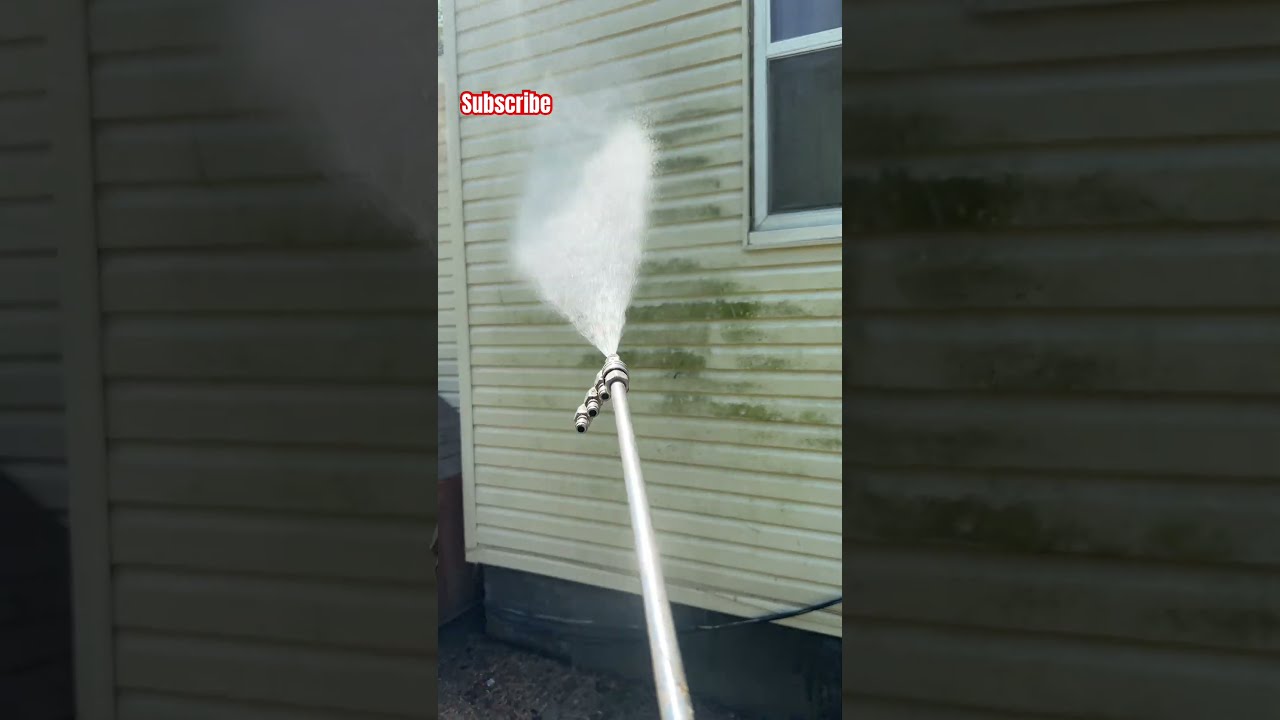
Painted render, brick, tilt-slab concrete, and cladding all trap dirt over time. Depending on the surface, a high-pressure wash or a low-pressure soft wash with appropriate detergents will lift mould and grime without damaging paintwork. Regular cleaning can also extend the life of a paint job, since surface contaminants break down coatings over time.
Shopfronts, Awnings, and Signage
Awnings, fascia, and signage are exposed to rain, dust, and sun. Gentle cleaning methods keep colours bright and lettering legible. Clean signage is also essential for visibility and brand presentation.
Car Parks and Loading Zones
Oil leaks, tyre marks, and general grime build up quickly in car parks and loading docks. Hot water pressure cleaning with degreasers is often the most effective way to lift oil and grease from porous concrete.
Bin Areas and Outdoor Dining Spaces
Waste storage areas and alfresco dining zones need regular sanitising to control odours, bacteria, and pests. Cleaning these areas supports hygiene standards, which matters to both customers and food safety inspectors.
High Pressure vs. Soft Washing: Choosing the Right Method
Not every surface should be treated with maximum pressure. Using the wrong method can etch concrete, strip paint, damage mortar, or force water behind cladding.
- High-pressure cleaning: Best for hard, durable surfaces such as concrete driveways, car parks, and some paving. It removes ingrained dirt, oil, and gum effectively.
- Soft washing: Uses low pressure combined with cleaning solutions to treat delicate surfaces like painted walls, render, roof tiles, and awnings. It kills mould and algae at the root, so growth is slower to return.
- Hot water systems: Ideal for grease, oil, and food residue, particularly around commercial kitchens and bin enclosures.
An experienced commercial cleaner will assess each surface before choosing the technique, pressure level, and detergent to match.
Benefits of Regular Commercial Pressure Cleaning
Stronger Curb Appeal and Customer Attraction
A clean, bright storefront stands out among neighbouring businesses and signals that you take pride in your operation. This can help convert passing foot traffic into customers.
Improved Safety and Reduced Liability
Algae, mould, and oil create slippery surfaces. Removing them lowers the risk of slips and falls, which helps protect customers, staff, and your business from potential claims.
Protection of Your Property Investment
Dirt, moss, and mould can degrade paint, concrete, and roofing materials over time. Routine cleaning helps prevent premature deterioration and can reduce how often you need to repaint or repair surfaces.
Better Hygiene and Compliance
Food businesses, medical practices, and childcare centres have strict hygiene expectations. Clean external areas support these standards and reduce pest attraction.
Cost-Effective Maintenance
Compared with repainting, resurfacing, or replacing damaged materials, regular pressure cleaning is a relatively low-cost way to maintain your property's condition and value.
How Often Should Commercial Properties Be Pressure Cleaned?
The right schedule depends on your location, foot traffic, and type of business. As a general guide for Rockhampton:
- Cafes, restaurants, and takeaway outlets: Footpaths, dining areas, and bin zones monthly or quarterly.
- Retail shopfronts and shopping centres: Entrances and footpaths every one to three months, with facades and awnings cleaned once or twice a year.
- Car parks and loading docks: Every three to six months, or sooner if oil staining is heavy.
- Offices, medical centres, and professional suites: Two to four times per year.
- Heavily shaded or damp areas: More frequently, as mould and algae establish faster in humid, low-sunlight conditions.
Many commercial cleaners offer scheduled maintenance plans, which keep your premises consistently presentable and often work out more economical than occasional one-off cleans.
Timing, Scheduling, and Minimising Disruption
Cleaning during trading hours can disrupt customers and create wet, slippery conditions. Most commercial pressure cleaning is carried out early in the morning, after hours, or on weekends. Planning around opening times means your storefront is spotless when customers arrive, with minimal impact on sales.
Rockhampton's wet season, generally from November to April, can bring heavy rain and fast regrowth of mould and algae. Many businesses schedule a thorough clean at the end of the wet season and again before the peak trading periods. The drier months from May to October are often well suited to larger jobs such as facade cleaning or preparing surfaces for repainting.
Environmental and Regulatory Considerations in 2026
Environmental responsibility is a growing priority for businesses and councils alike. Wash water from commercial cleaning can contain detergents, oils, and sediment, and in Queensland it should not be allowed to flow freely into stormwater drains, which lead to local waterways, including the Fitzroy River catchment.
Responsible operators typically use some or all of the following practices:
- Blocking or covering stormwater drains during cleaning.
- Using wastewater recovery or vacuum systems to capture runoff.
- Choosing biodegradable, low-impact detergents where appropriate.
- Disposing of collected waste water to sewer or approved facilities in line with local requirements.
- Using water-efficient equipment, particularly important in a region familiar with dry spells and water restrictions.
If you manage a commercial property, ask any contractor how they handle wastewater. It is worth confirming that their methods https://capricornhousewashing.com.au/driveway-cleaning-rockhampton/ align with Queensland environmental guidelines and Rockhampton Regional Council requirements.
What to Look for in a Commercial Pressure Cleaning Provider
Not all providers offer the same standard of service. When comparing options in Rockhampton, consider the following:

- Insurance: Confirm the provider holds current public liability insurance and appropriate workers' cover.
- Experience with commercial sites: Commercial work involves different equipment, scheduling, and safety needs than residential jobs.
- Surface knowledge: The provider should explain which methods suit your surfaces and why.
- Safe work practices: This includes site safety signage, wet-floor management, and safe work at heights where required.
- Environmental practices: Ask about wastewater capture and detergent choices.
- Clear written quotes: A good quote outlines the areas covered, methods used, and any exclusions.
- Flexible scheduling: Look for after-hours availability and the option of regular maintenance contracts.
Preparing Your Property Before a Clean
A little preparation helps the job run smoothly and protects your property:
- Move outdoor furniture, plants, and displays out of the work area.
- Close windows and doors, and secure any damaged seals or loose fittings.
- Point out areas of concern, such as cracked render, loose paving, or old stains.
- Advise staff and neighbouring tenants of the cleaning schedule.
- Arrange access to water and power if required.
Combining Pressure Cleaning with Other Exterior Maintenance
Pressure cleaning delivers the best results when it forms part of a broader maintenance plan. Many Rockhampton businesses combine it with window cleaning, gutter clearing, repainting, line marking, and sealing of concrete or pavers. Sealing cleaned surfaces can help repel dirt, oil, and moisture, making future cleaning easier and keeping surfaces looking fresher for longer.
Frequently Asked Questions
Will pressure cleaning damage my building?
Not when done correctly. Trained operators adjust pressure, nozzle type, and technique to suit each surface. Damage typically occurs when excessive pressure is used on delicate materials, which is why professional assessment matters.
How long does a commercial clean take?
This depends on the size of the property and the level of buildup. A small shopfront entrance may take an hour or two, while a large car park or multi-storey facade can take a day or more.
Can stains like oil and gum really be removed?
In most cases, yes. Hot water systems and degreasers are effective on fresh and moderately aged oil stains, and specialised equipment can remove gum. Very old or deeply penetrated stains may lighten significantly but not disappear entirely.
Is pressure cleaning worth it for leased premises?
Yes. Tenants benefit from a better customer experience, and many lease agreements require the exterior to be kept in clean condition. Landlords and property managers also use regular cleaning to protect asset value.
Keep Your Rockhampton Storefront Looking Its Best
A clean storefront is a simple but powerful marketing tool. In Rockhampton's warm, humid, and dusty conditions, regular commercial pressure cleaning protects your property, improves safety, supports hygiene, and gives customers a positive first impression. By choosing the right cleaning method, setting a sensible schedule, and working with a reputable, environmentally responsible provider, you can keep your business looking its best through 2026 and well into 2027 and beyond.
If your premises are due for a refresh, consider arranging an on-site assessment with a local commercial pressure cleaning professional to get a tailored recommendation and quote for your property.
Capricorn House Washing
0482 073 600